Two stories this week show how a card game's structure shapes its community: Cyberpunk TCG's global launch leans on local stores, while Riftbound's Legacy set rebuilds its packs around drafting.
Two announcements from the trading card game world this week are worth a designer's attention. One is a new game arriving with a large store network behind it. The other is an established game changing how its packs are built so that drafting works better.
Cyberpunk TCG goes global
GamingTrend reports that Cyberpunk TCG, made by the independent studio WeirdCo in close collaboration with CD PROJEKT RED, has launched worldwide. WeirdCo's press release is dated 6 November 2026, and the article says the game officially launched the weekend before GamingTrend published on 10 November.
The debut set is Welcome to Night City, which features Judy Álvarez, Johnny Silverhand and Panam Palmer. A second set, Edgerunners: Burn Bright, adds characters from Cyberpunk: Edgerunners and is listed for Spring 2027.
What stands out for creators is the groundwork. The article describes a record-breaking Kickstarter campaign, early beta preview events, a week of global pre-release tournaments and appearances at Anime Expo, Gen Con and Spiel Essen. It also cites more than 70,000 players and collectors on Discord and more than 4,500 local game stores signed up to stock the game and support organized play. Weekly Night City Brawl events will run in stores, and regional tournaments offer a route to a world championship. WeirdCo president and co-founder Elliot Cook is quoted as saying that "it's surreal to finally say that Cyberpunk TCG is here."
The lesson is that a licence helps, but the launch leaned just as much on a community that was already playing before the first retail box shipped.
Riftbound's Legacy is built for draft
Riot Games' Riftbound has a different kind of news. In its Products and Sets into 2027 article, Riot lists Legacy for 29 January 2027, with pre-release events from 22 to 28 January. The set is described as draft-focused, with "signpost" cards at lower rarities.
The pack changes are the interesting part. Booster packs replace one Common slot with a slot that holds either a Legend or a Battlefield, at roughly even odds, so packs from Legacy onward have 6 Commons instead of 7. Legends no longer take a Rare slot. Showcase Legends and Battlefields still sit in the Overnumber slot. Store Rune Kits will include a Minion unit that a drafter can add if their deck falls below the minimum size.
A Shonen TCG breakdown says Riot's stated aim is to keep Legends available while reducing how often players pull duplicates they don't need. The same piece works out, assuming 24 packs per display, about 12 Legend and 12 Battlefield slots per box, and notes that Riot has not published odds per Legend.
Riot is also tidying the rules text. Making a token becomes "create," and "When you play me" becomes "When I enter." Targets get a grey backer and triggered abilities get an arrow between condition and effect. Game team member Kelly Digges is quoted as saying the word play goes "from 4 meanings to 1.2 meanings."
One caution: the card count is not settled. Riot's article gives 239 cards including 93 showcase, while Shonen TCG notes that other outlets give 346 and that the gap is unconfirmed.
What to take from both
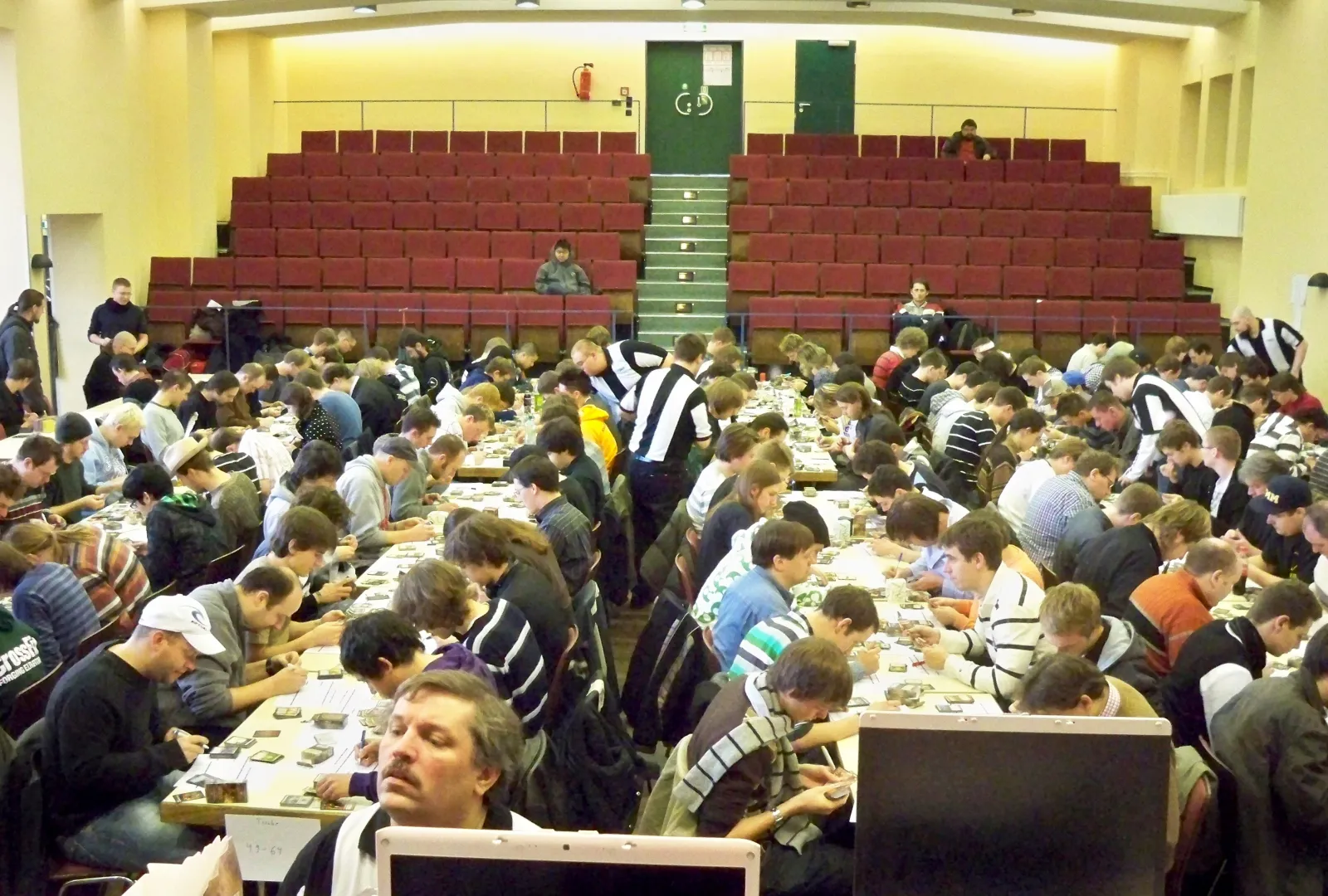
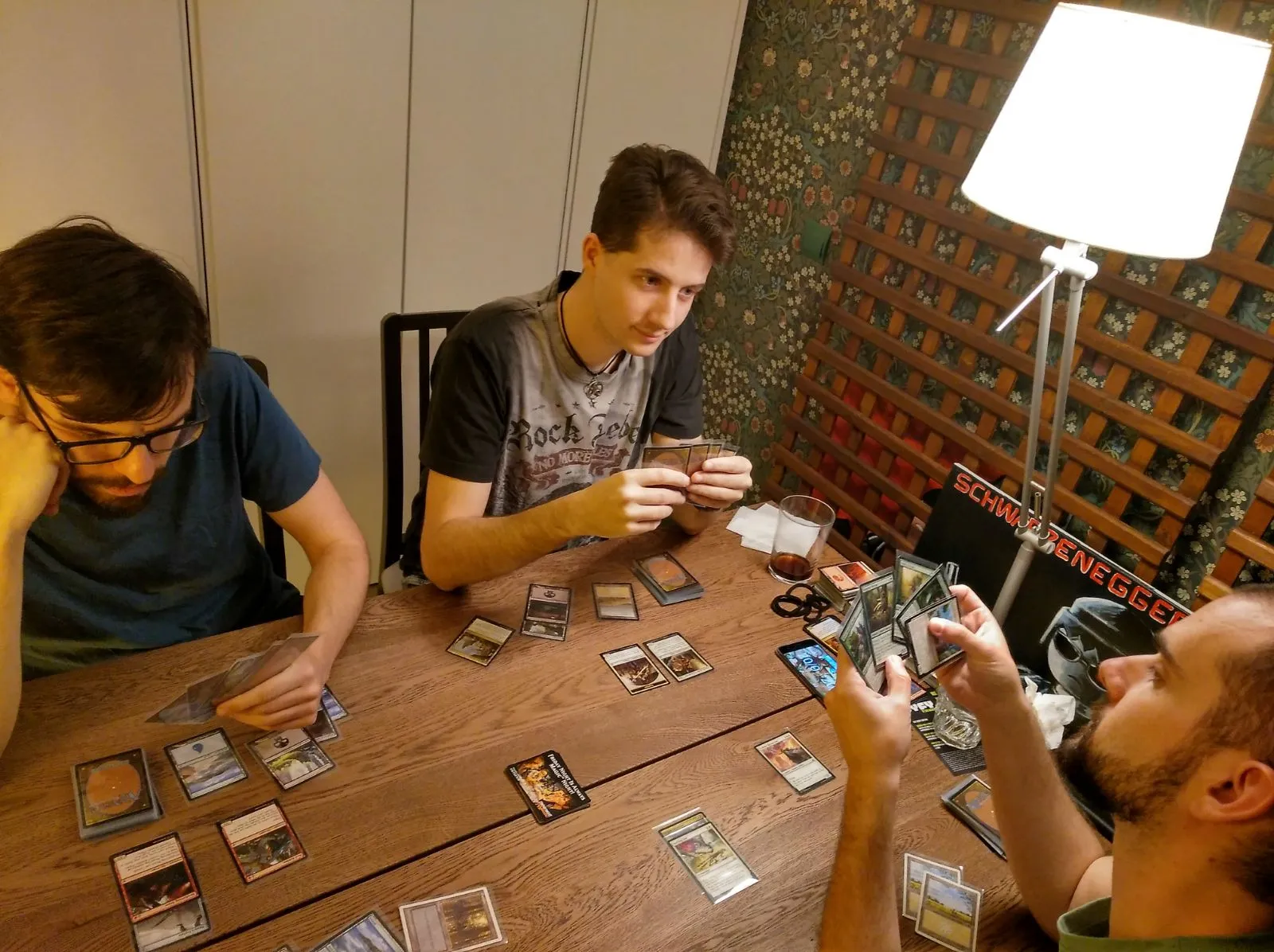
For anyone designing their own card game, the common thread is that structure decides how a game feels. Riftbound is adjusting slot counts and rules wording so that draft and everyday play are less frustrating. Cyberpunk TCG is relying on stores and events to give new players somewhere to sit down and play.
If you are building a first set, ask the same two questions. Does each pack give a drafter the pieces they need, without too many dead duplicates? And where will your first players actually play together?
Sources
You can now buy the Cyberpunk TCG globally (GamingTrend) · Riftbound: Products and Sets into 2027 (Riot Games) · Riftbound Legacy: set 6 pack and rules changes (Shonen TCG)